

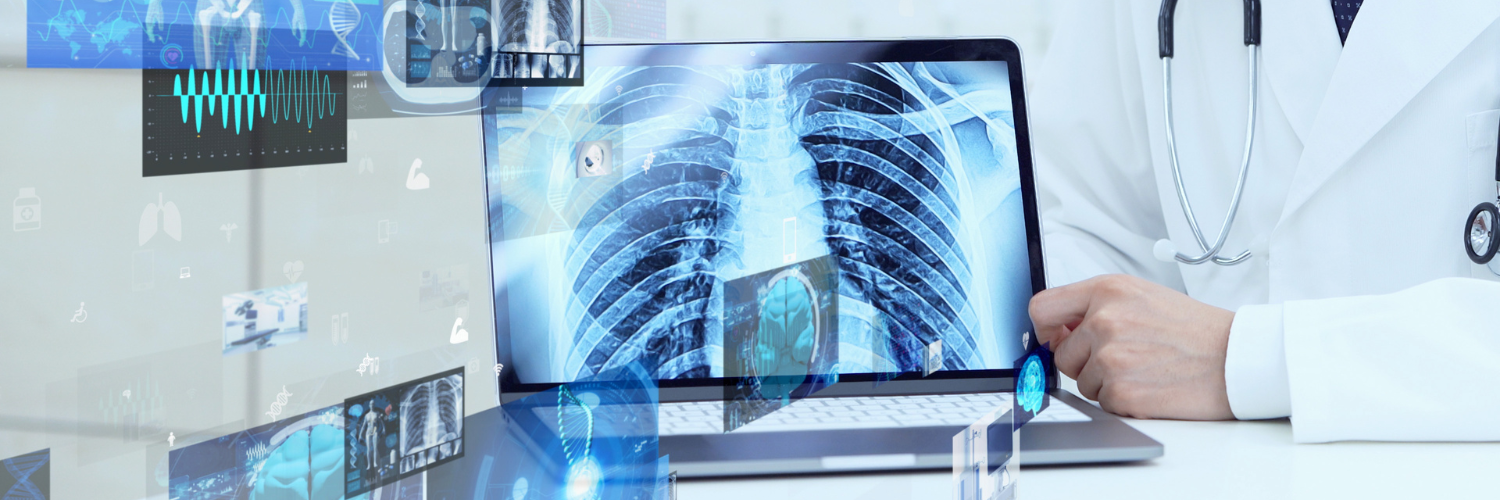
In today’s fast-paced world, healthcare organizations, especially small businesses in the healthcare sector, are facing unprecedented challenges. The demand for quality care, coupled with the need for efficient management and cost-saving strategies, is pushing these entities to explore innovative solutions.
Information Technology (IT) solutions stand out as a beacon of hope, offering a pathway to streamline operations, enhance patient care, and ultimately, drive business growth through increased efficiency and optimized business processes. By integrating custom services tailored to their unique needs, these healthcare organizations can achieve significant cost savings while making high-quality care more accessible and manageable.
This blog aims to demystify how IT solutions can elevate healthcare efficiency, especially for small businesses, making high-quality care more accessible and manageable, by focusing on cost-saving measures, increasing efficiency, and refining business processes through the deployment of custom IT services.
Understanding the Role of IT in Healthcare
IT in healthcare, often referred to as Health Information Technology (HIT), encompasses a wide range of technologies used to manage and share patient information electronically. From Electronic Health Records (EHRs) to telehealth platforms, IT solutions are reshaping the way healthcare providers interact with patients and with each other. The goal is simple: to improve the quality of care while reducing costs and administrative burdens.
Electronic Health Records (EHRs): A Game-Changer
EHRs are at the heart of the IT revolution in healthcare. They replace traditional paper records, allowing for easy access, updating, and sharing of patient information. For small businesses, implementing an EHR system can significantly reduce paperwork, minimize errors, and streamline the patient care process. This enhances patient satisfaction and improves operational efficiency, enabling healthcare providers to focus more on care than clerical tasks.
Telehealth: Breaking Down Barriers
Telehealth uses digital information and communication technologies, like computers and mobile devices, to access healthcare services remotely. It’s particularly beneficial for small businesses by expanding their reach to patients who may not have easy access to their facilities. Telehealth can reduce no-shows, expand service hours, and provide a competitive edge by offering convenient care options to patients.
Data Analytics: The Backbone of Strategic Decisions
Data analytics in healthcare involves analyzing vast amounts of data to make informed decisions. For small healthcare businesses, leveraging data analytics can identify trends, predict patient needs, and optimize services. It’s a powerful tool for improving patient outcomes, managing costs, and tailoring services to meet the unique needs of the community served.
Implementing IT Solutions: Steps for Small Businesses
Adopting IT solutions can seem daunting for small businesses with limited resources. However, the transition can be smooth with the right approach. Here’s how to get started:
- Assess Your Needs: Before diving into new technology, assess your current processes and identify areas where IT could make the biggest impact. This could be patient records management, appointment scheduling, or communication channels.
- Choose the Right Tools: Not all IT solutions are created equal. Select tools that align with your specific needs, are scalable, and can integrate with other systems you may use.
- Train Your Team: Successful implementation requires buy-in from your entire team. Invest in training to ensure everyone is comfortable and proficient with the new technology.
- Start Small and Scale: Begin with one area, such as EHR implementation, before expanding to other technologies. This allows you to manage the transition more effectively and scale as you grow.
- Ensure Compliance and Security: Patient data security is paramount. Choose IT solutions that comply with healthcare regulations, such as HIPAA in the United States, and implement strong cybersecurity measures.
Overcoming Challenges
While the benefits are clear, small businesses may face challenges in adopting IT solutions, such as cost concerns, resistance to change, and technical issues. Addressing these challenges head-on is crucial for a successful transition:
- Cost Management: Look for cost-effective solutions, consider cloud-based services, and explore financing options or grants specifically designed for small healthcare businesses.
- Change Management: Foster a culture of innovation and continuous improvement. Engage your team in the decision-making process and highlight the benefits of IT solutions for their work and patient care.
- Technical Support: Partner with reliable IT service providers who understand the healthcare industry. This ensures you have the support needed to address technical issues promptly.
The Road Ahead
Integrating IT solutions in healthcare is not just a trend; it’s the future. For small businesses, staying ahead of the curve is essential to remain competitive and provide the best possible care to patients. By embracing IT solutions, small healthcare providers can improve efficiency, enhance patient experiences, and contribute to the overall improvement of the healthcare system.
In conclusion, IT solutions offer a viable pathway for small healthcare businesses to tackle operational challenges, improve patient care, and thrive in a competitive landscape. By taking strategic steps towards adoption, overcoming challenges with resilience, and focusing on continuous improvement, small businesses can harness the power of IT to transform healthcare delivery for the better. The journey may require time and effort, but the rewards—improved efficiency, better patient outcomes, and sustainable growth—are worth the investment.
Interested in learning more? Give us a call today to schedule a chat.


