

Technology is changing work quickly, affecting products, services, business processes, and many different industries. New technologies are changing how we communicate, collaborate, create, and innovate in the hybrid work model. These technologies include AI, web3, and the metaverse. Let’s explore some of the most impactful technology trends that are changing the way we work in 2024 and beyond.

1. Artificial Intelligence
AI and Generative AI are not just buzzwords. They are transforming the workplace. These technologies enable automation, allowing teams to handle mundane tasks more efficiently. They free up human resources for more creative and strategic endeavors.
AI is not a new concept, but it has become more powerful and accessible in recent years. This is thanks to advances in computing power, data availability, and algorithm development.
Artificial intelligence is now augmenting and automating various aspects of work. This includes analyzing data, providing customer service, creating images, designing products, and more.
But AI also poses significant challenges and risks. This includes ethical dilemmas, social implications, and workforce displacement. Thus, it’s essential to adopt responsible and human-centric approaches to AI. As well as ensure that workers have the skills and support to adapt to the changing nature of work.

2. Remote Collaboration Tools
Advanced collaboration tools have facilitated the rise of remote work. These include video conferencing, project management software, and cloud-based document-sharing platforms.
This technology empowers teams to collaborate seamlessly from different corners of the globe. These tools break down geographical barriers, allowing for efficient teamwork and real-time communication.

3. Hybrid Work Model
The hybrid work model is a term that describes the combination of remote and in-office work. This is not a new concept, but it has become more prevalent in the wake of the Covid-19 pandemic.
The hybrid work model offers many benefits, such as:
- Increased productivity
- Reduced costs
- Improved work-life balance
- Enhanced employee satisfaction
- Improved employee retention
The hybrid work model is transforming the way we work. It requires workers to have new skills, tools, and strategies. For example, hybrid work requires workers to have several capabilities to work effectively. These include strong digital literacy, communication, collaboration, and self-management skills.

4. Web3: The Decentralized Internet
Web3 is a term that refers to the next generation of the internet. An internet based on decentralized technologies, such as:
- Blockchain
- Cryptocurrencies
- Smart contracts
- Peer-to-peer networks
Web3 wants to make the internet better by giving users more power over their data, identity, and digital assets.
Web3 also enables new forms of collaboration and value creation. This includes:
- Decentralized autonomous organizations (DAOs)
- Non-fungible tokens (NFTs)
- Decentralized finance (DeFi)
- Social tokens
Web3 is transforming the way we work. Creating new business models, platforms, and communities. We design these to be more inclusive, participatory, and innovative.
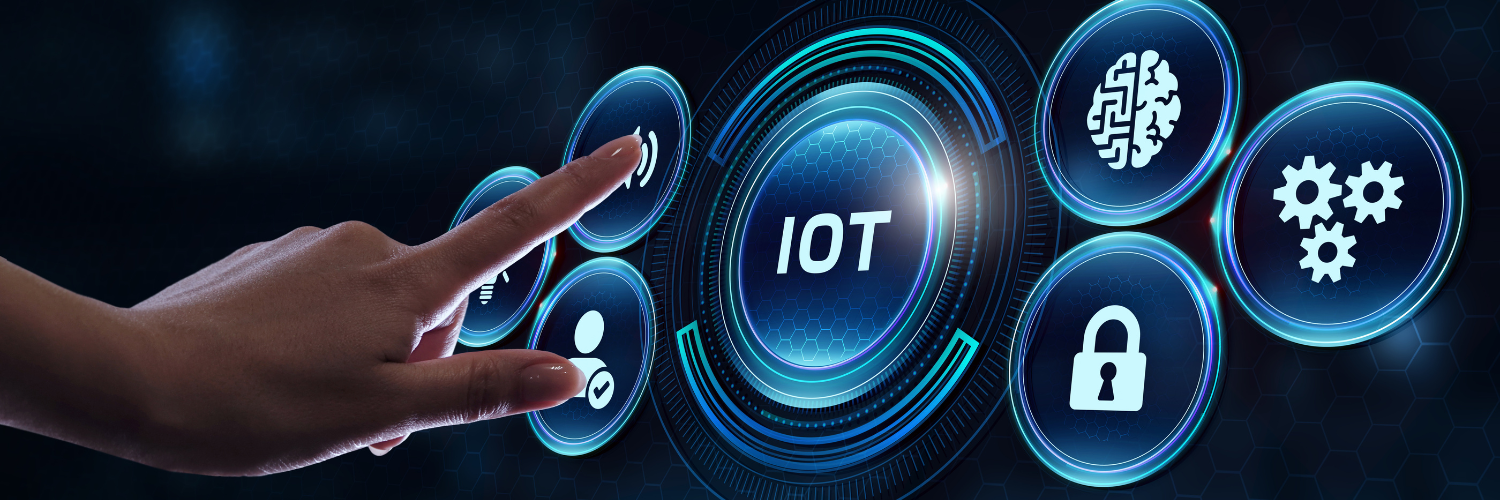
5. Internet of Things (IoT) in the Workplace
IoT devices are creating smart and optimized workplaces. This includes smart thermostats that adjust office temperatures based on occupancy, promoting a comfortable and energy-efficient environment. Wearable devices help monitor employees’ health and productivity, promoting overall well-being at work.
This connectivity enhances efficiency and reduces energy consumption, leading to sustainable and cost-effective operations. Moreover, the data collected by these IoT devices provides valuable insights for informed decision-making. By studying occupancy, health, and productivity, businesses can make changes to improve workplace dynamics and employee happiness. IoT tech progress can make workspaces smarter, promoting innovation and well-being for people at work.

6. Augmented Reality (AR) and Virtual Reality (VR)
AR and VR are changing how we train, design, and interact with customers, transforming our world experience. AR and VR in the workplace provide immersive training, helping employees learn complex tasks in simulated environments.
These new technologies serve not only for training but also for designing products. Professionals in the field can now leverage AR and VR to visualize and make real-time modifications to prototypes. This not only enhances the design process but also accelerates innovation cycles by fostering quicker iterations and improvements. The marriage of AR and VR with product design heralds a new era of dynamic and efficient development practices.

7. Cybersecurity Advancements
In tandem with the rapid progress of digital technologies, the landscape of cybersecurity threats is evolving. To fortify their defenses against potential breaches, businesses are allocating resources toward implementing cutting-edge cybersecurity measures. This aims to protect data and emphasize the importance of ensuring privacy for employees and customers.
Among the innovative tools at the forefront of this defense strategy are biometric authentication and AI-driven threat detection. These advancements in cybersecurity use advanced technology to protect against constantly changing cyber threats. Taking action is crucial for safeguarding online assets and establishing trust in the digital realm, enhancing secure and robust digital settings.

The Impact on the Future of Work
These transformative technology trends are not just fleeting novelties. They are shaping the future of work. Businesses that adapt and embrace these technologies gain a competitive edge.
Remote collaboration tools foster flexibility and work-life balance, appealing to the modern workforce. AI and automation enhance efficiency, reducing errors and operational costs.
IoT creates intelligent workspaces, enhancing employee well-being and environmental sustainability. AR and VR drive innovation, offering new ways to engage employees and customers.
Challenges and Considerations
Although these technologies offer significant advantages, we cannot ignore the challenges they present. To fully utilize these tools, it is crucial to provide training to the workforce. This training will equip employees with the necessary skills to effectively use the tools.
Also, ethical concerns about protecting data and security, and the possible effect of automation on jobs, become important. Protecting important information and dealing with worries about job loss from automation are important and need careful attention.
In this transformative era, finding a delicate equilibrium between technological advancement and human welfare is paramount. Finding a balance between innovation and its negative effects is important. This balance is necessary for maximizing benefits and promoting a peaceful coexistence between technology and people’s well-being.
Let Us Guide You Successfully Through Digital Transformation
Navigating new technologies can be complex. Some pitfalls can waste time and money. Avoid this by working with our team of experts. We can help you customize your transformation to fit your business goals.
Interested in learning more? Give us a call today to schedule a chat.


