

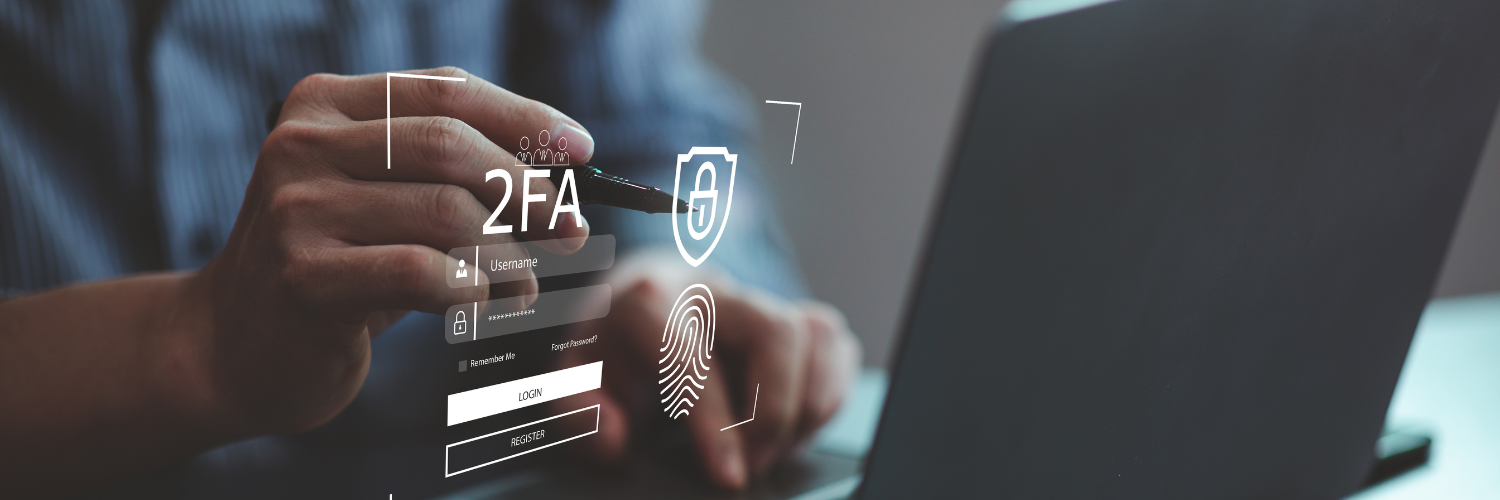
In the digital age, Multi-Factor Authentication (MFA) plays a pivotal role in keeping our personal and work information safe on screens, with enhanced security mechanisms like smart cards and hardware tokens adding robust layers of protection to users’ accounts. As an IT company with over 20 years of experience in promoting cybersecurity, we have observed the evolution of security measures from basic passwords to complex authentication processes that effectively shield online accounts against cyber threats.
Today, we will delve into the safest and easiest ways to protect your online accounts in 2024, highlighting the significance of incorporating advanced security tools such as smart cards and hardware tokens. These methods not only offer enhanced security for users’ accounts but also simplify the authentication process, making it more user-friendly while maintaining the highest security standards. This discussion aims to equip you with the necessary knowledge to stay safe from the ever-evolving landscape of cyber threats.
Understanding MFA: The Basics
Before we dive into the nitty-gritty, let’s clarify what MFA is. Multi-Factor Authentication means proving who you are with two different things before getting into your online accounts. These factors can be something you know (like a password), something you have (like a smartphone), or something you are (like your fingerprint).
Why MFA Matters More Than Ever
In today’s world, cyber threats are more advanced. Using a basic password is like having a weak lock on your door. MFA increases security by adding more layers.
This makes it difficult for unauthorized users to access your accounts. Even if they guess or steal your password.
The Most Secure MFA Methods for 2024
1. Biometric Authentication
Nothing is quite as unique as you are. Biometric authentication uses your fingerprint, facial recognition, or even your voice pattern to confirm your identity. Fast, user-friendly, and incredibly secure, as it’s difficult to replicate someone’s biometrics accurately.
2. Hardware Security Keys
These are physical devices, like USB keys, that you plug into your computer to gain access to your accounts. Security keys are extremely safe for multi-factor authentication. They need someone to physically hold them. This makes it hard for hackers to access them remotely.
3. Authenticator Apps
Apps such as Google Authenticator or Microsoft Authenticator generate time-sensitive codes that you use alongside your password. Your device generates the codes every 30 seconds, ensuring strong security with minimal effort.
The Most Convenient MFA Methods
While security remains paramount, users embrace MFA methods when convenience also plays a crucial role. Here are the top picks for convenience without compromising on security.
1. Push Notifications
Getting a notification on your phone or wearable asking you to confirm a login attempt is safe and easy. A single tap is all it takes to approve or deny access, blending seamlessly into our everyday device use.
2. SMS and Email Codes
Users can easily receive a code through SMS or email without needing to install extra software. Using this method is easier but not as safe as other methods. A risk of SIM swapping or email account breaches exists.
3. Location-Based Authentication
Geolocation-based authentication can help secure services that do not require high security but can benefit from MFA. This type of authentication allows access if the sign-in is from a recognized location. Convenient for routine logins from secure locations like your home or office.
Balancing Security and Convenience
The golden rule in choosing an MFA method is finding the right balance between security and convenience. High-security environments, like financial services or sensitive data handling, might prioritize hardware security keys or biometric authentication. In contrast, less critical applications might opt for authenticator apps or push notifications for a smoother user experience.
Implementing MFA in Your Organization
Adopting MFA is a critical step in enhancing your cybersecurity posture. Start with these steps:
- Assess Your Security Needs: Different sectors and data types require different security levels. Evaluate your risk and choose an MFA method that aligns with your needs.
- Educate Your Team: A secure system is only as strong as its users. Provide training and resources to ensure everyone understands how to use MFA effectively.
- Regularly Review and Update: Cyber threats evolve, and so should your security measures. Keep yourself informed about the latest MFA technologies and best practices.
Conclusion
In the fast-paced world of cybersecurity, staying informed and prepared is key. The MFA methods we’ve outlined for 2024 offer a blend of security and convenience to suit a range of needs and preferences. Remember, the most effective security strategy is a proactive one. Choosing the right MFA solution helps protect your accounts and secure your digital identity for the future.
We are an IT company with lots of experience in cybersecurity. We are an IT company with extensive experience in cybersecurity. We can assist you in ensuring that your data remains secure and easily accessible.
In today’s digital age, maintaining data security is crucial. Let’s embrace these technologies together, making the digital space safer for everyone.
Interested in learning more? Give us a call today to schedule a chat.


